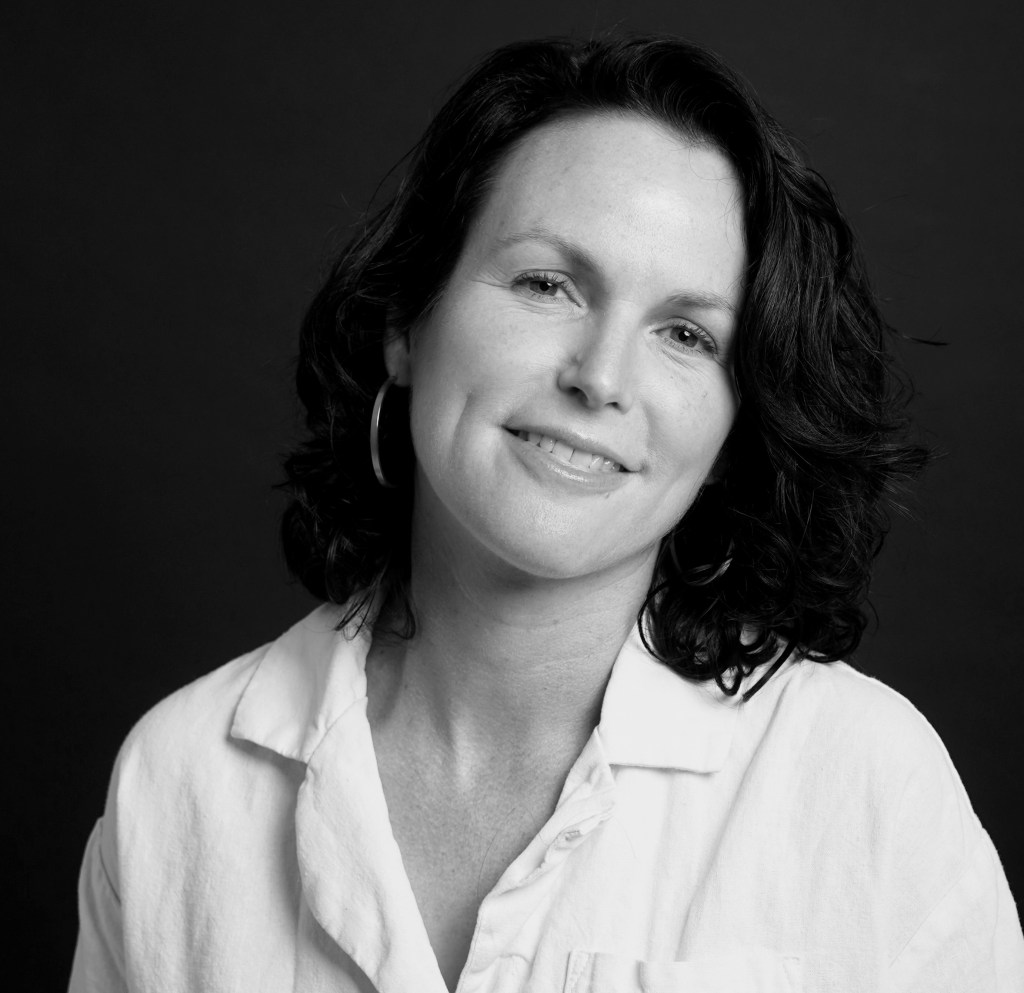
Ashley is a writer, researcher, organizer, educator, and artist. She collaborates with BIPOC-, women-, and queer-led organizations, activists, funders, educators, and artists fighting for collective liberation in the U.S. (on Turtle Island) and across borders.
Wanting to end systemic violence and inequity, Ashley started working with non-profit organizations and as a teacher about 20 years ago. She has seen up close the saviorism and White supremacy in non-profits and foundations – and the tendency to address symptoms rather than dismantle systems. Her experience in the U.S. and other countries has illuminated many of the same issues, dynamics, systems, and players – uniting our struggles within and across borders. She believes we can do things differently by centering people and the environment, anti-racism, anti-colonialism, systemic change, and do no harm and building more and bigger bridges across issues and countries.
Ashley works at the local, state, national, and international levels to transform narratives, culture, policies, practices, laws, and systems. In the U.S., she has organized around issues related to police violence, redistricting, fair lending, hate crime prevention, and environmental protection. Internationally, she has focused on Indigenous rights, excessive use of force by law enforcement and the military, genocide and other atrocities, and conflict prevention and transformation in Palestine, Northern Ireland, South Sudan, the Central African Republic, the Democratic Republic of Congo, Uganda, Sudan, and the West African region.
In East Jerusalem, Ashley taught human rights and writing at Bard College – Al Quds University. She has also taught elementary school.
She creates and manages communications, advocacy, and organizing campaigns, crafts written products, designs and leads research projects, develops policy, legal, and other analysis, creates syllabi and curricula, and teaches.
Ashley completed a Masters degree in human rights, conflict resolution, and United Nations studies at the Columbia University School of International and Public Affairs (SIPA). She graduated from Wellesley College with a major in peace and justice studies and a minor in economics.
Her interests include:
- Examining the goals of solidarity and how we practice it
- Gleaning lessons and strategies from current and past social movements
- Uncovering the economic drivers of systemic violence and inequity
- Using data to shine a spotlight on violence and inequities
- Exposing past and present human rights violations, mass atrocities, and inequality in the U.S. – from the history of slavery and genocide to their current legacy and other violence and inequities, including: the criminal “justice” system, the immigrant detention system, and racial, ethnic, class, gender, and other disparities in education, health, housing, employment, wealth, and voting rights
- Understanding the connections between liberation, community, land, and healing
Ashley loves to cook, garden, dance, read about sociology, history, and health, and hang out with kids, cats, and dogs.
She currently lives in what is known as the San Francisco Bay Area – on stolen Ohlone, Muwekma, and Lisjan land.
She writes at: https://ashleybenner.medium.com/
Values:
Our movements for equity and justice are:
- BIPOC-, women-, and queer-led
- anti-racist and -colonialist
- people- and environment-centered
- rooted in solidarity, systemic change, do no harm, and integrity
- transforming narratives, culture, policies, practices, laws, and systems
Vision:
Every human being is able to live – in freedom, dignity, safety, and full political, legal, economic, social, and cultural equality.
Together, we do the continuous work of dismantling White supremacy, decolonizing, and building an equitable, sustainable, and regenerative economy.
Indigenous peoples and descendants of enslaved peoples around the world have the self-determination, sovereignty, reparations, restitution, and land restoration that they demand.
We live sustainably, as caretakers of the land and environment.
How we get there:
- Put people and the environment first
- Build community, coalitions, and power (political, economic, social, and cultural)
- Unlearn, decolonize, and reimagine
- Uncover the economic drivers of our systemic violence and inequity
- Create accountability for businesses and policymakers
- Divest, boycott, and invest
- Fight the intersecting systems of violence and inequity: criminal “justice,” electoral politics, education, economy, housing, health, and environment
- Change culture, including through art and pop culture
- Transform our non-profit organizations and philanthropic institutions
- Build more and bigger bridges between movements and across borders to fight the same or similar issues, dynamics, systems, and players, learn from each other, and stand with each other
- Reflect and innovate
- Tenacity, humility, integrity, and personal work
 ASHLEY BENNER